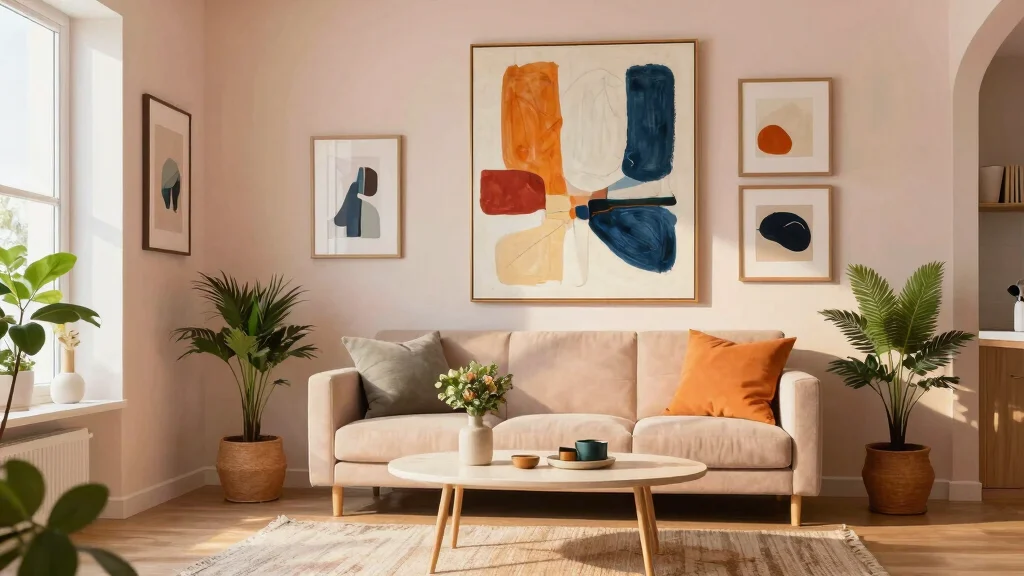
Creating a home that feels just right can be a bit of a puzzle. You know that feeling when you walk into a space and see a wall adorned with art that perfectly complements the room? It’s inspiring, and many of us crave that same sense of balance and beauty in our own homes. That’s why I created this guide about wall art size rules. With the right insights, you can transform any room into a haven of style, especially if you’re working with smaller spaces.
If you’re someone who loves home decor and is eager to make your space feel more inviting, you’re in the right place. This guide is tailored for anyone looking to enhance their home with beautiful wall art, regardless of their decorating experience. Whether you’re a seasoned interior designer or just beginning your journey into home styling, these rules can help you navigate the sometimes tricky world of art placement.
In this post, you’ll discover essential tips for choosing the right size and style of wall art. From maintaining proper proportions to creating balance with groupings, we’ll cover everything you need to know to ensure your walls not only look great but also suit your personal taste and the function of each room. Get ready to unlock the secrets of wall art, and let’s make your spaces sing with creativity!
Key Takeaways
– Start by considering your wall size to avoid overwhelming or underwhelming the space with art.
– Scale is key; large pieces can serve as stunning focal points, while smaller ones can blend into a gallery wall.
– Maintain proper proportions by choosing art that complements the furniture and the overall layout of the room.
– Create balance with groupings; mix different sizes and styles to form an engaging display that draws the eye.
– Keep in mind the room’s function; the art you choose should resonate with how you use the space, adding to its overall ambiance.
Recommended Products

【Unique Two-in-One Design】As the first keycap that combines thermal sublimation and double shot craft in one, it not only retains the exquisite pattern, but also allows lights from the keyboard to shine through fonts.

【Unique Two-in-One Design】As the first keycap that combines thermal sublimation and double shot craft in one, it not only retains the exquisite pattern, but also allows lights from the keyboard to shine through fonts.

【Unique Two-in-One Design】As the first keycap that combines thermal sublimation and double shot craft in one, it not only retains the exquisite pattern, but also allows lights from the keyboard to shine through fonts.
1. Consider Your Wall Size
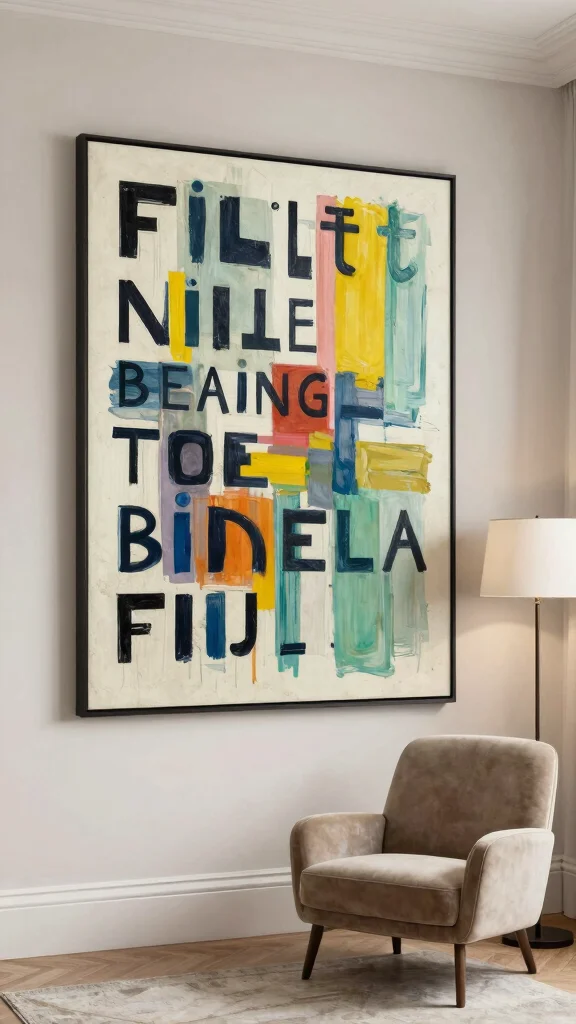
When choosing wall art, it’s essential to consider the dimensions of your wall. A large, empty wall can feel intimidating, and selecting art that’s too small may only amplify that emptiness. Conversely, oversized pieces can overwhelm the space, making it feel cramped and uncomfortable. Striking the right balance is key to achieving visual harmony in your home.
To create a cohesive look, gauge the height and width of your wall and select art that feels proportionate. For expansive walls, aim for art that covers about 60-75% of the available space. In contrast, smaller walls benefit from one standout piece or a curated collection that enhances, rather than crowds, the area.
Consider these tips to optimize your wall art selection:
– Choose art that spans 60-75% of the wall area.
– Opt for a single impactful piece on smaller walls.
– Measure wall dimensions to find the perfect fit.
By thoughtfully aligning your wall size with your art choices, you create a more inviting and harmonious atmosphere.
Recommended Products

Multi-size: 10pcs picture frames set come with TWO black frames 8x10in, FOUR gray frames 5x7in and FOUR wood grain brown frames 4x6in. Just remember to peel off the protective film on both sides of the plexiglass.

Capture Your Memories: From the faces of your loved ones to great times with friends and family get-togethers, this collage photo frame lets you display an array of wonderful moments. It features 12 frames, each perfectly sized for 4x6 photos

Versatile Sizes for Display: Vittanly 15-Pack Multi-Size Picture Frame Set includes 3x 8x10", 6x 5x7", and 6x 4x6" frames. Perfect for showcasing family photos, artwork in living rooms, bedrooms, and offices
Consider Your Wall Size
Editor’s Choice




2. Scale is Key
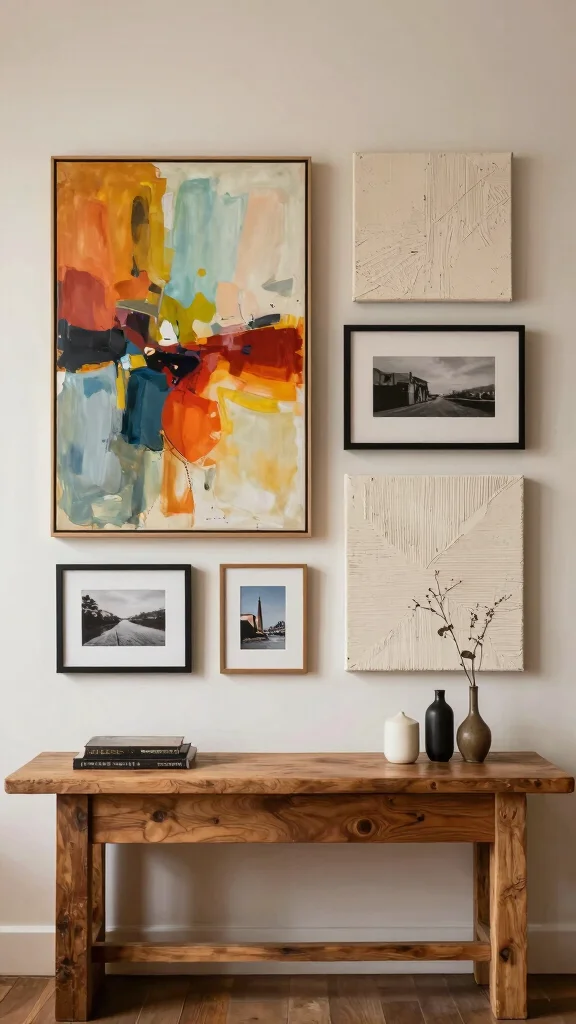
Understanding the scale of wall art is vital for a polished look. This concept not only pertains to the size of the art itself but also how it interacts with your furniture and room elements. Making the right choices can result in a more cohesive and inviting space.
Large artworks act as stunning focal points, especially in minimalist rooms, while grouping smaller pieces can create a dynamic gallery wall that fills the space with interest. Remember that the scale of your art should complement your furniture; oversized pieces work beautifully above larger sofas, while smaller works fit nicely on narrow shelves.
Implement these strategies for effective scaling:
– Hang large pieces to create a focal point in minimalist spaces.
– Group smaller artworks for a striking gallery wall.
– Match art size with furniture dimensions for balance.
Choosing art with the right scale can elevate your room’s design, making it feel curated and intentional.
Recommended Products

1. 30 I AM AFFIRMATIONS: Thirty identity building statements stacked into one striking composition. I am strong, I am focused, I am capable, and twenty seven more, reinforcing a confident mindset automatically, every single time the piece is seen.

【GALLERY-WRAPPED CONSTRUCTION】 Each artwork is stretched over a sturdy wooden inner frame for a clean canvas profile and finished presentation. Decorative outer frames are not included, helping buyers clearly understand the actual product structure.
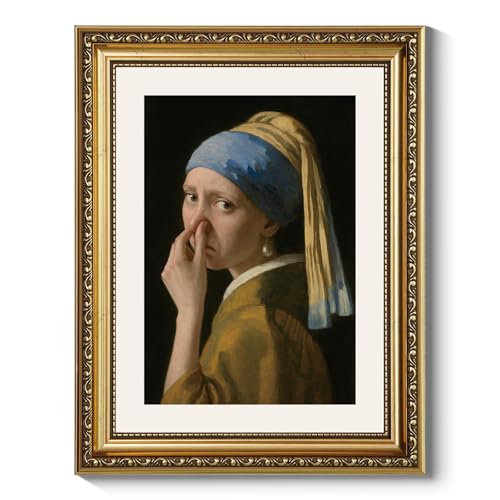
FUNNY CLASSIC PARODY ART: A playful twist on the iconic Girl with a Pearl Earring, this humorous wall art turns timeless beauty into a witty statement piece — perfect for anyone who loves clever, conversation-starting decor.
Scale is Key
Editor’s Choice


3. Maintain Proper Proportions
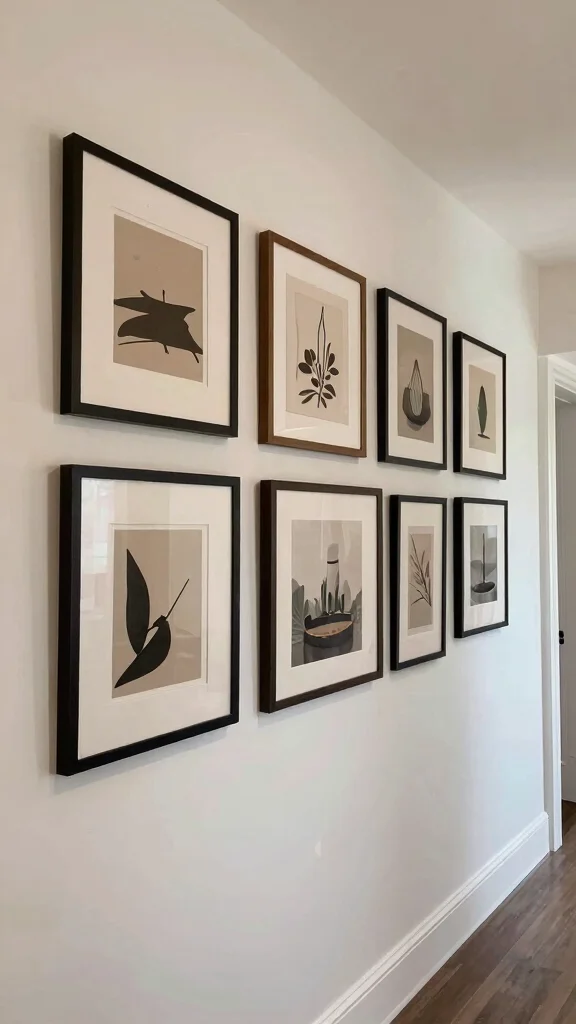
Proportions play a crucial role in wall art selection. Art that is too large or too small can disrupt the balance of a room, leading to visual discomfort. Getting proportions right ensures that each piece contributes to the overall harmony of the space.
For a balanced aesthetic, consider hanging art at eye level, typically around 57 to 60 inches from the ground. When grouping multiple pieces, aim for similar sizes to create flow and rhythm. Avoid overcrowding; allow each artwork to breathe by providing adequate spacing between them.
Keep these tips in mind for proper proportions:
– Hang art at eye level for a balanced look.
– Group pieces of similar sizes for harmony.
– Ensure sufficient spacing between artworks.
This mindful approach to proportions will help each piece shine while enhancing the beauty of your decor.
Recommended Products

【Eclectic Style Wall Art Decor】3 eclectic prints in 8x10 Inch/4 eclectic prints in 6x8inch/10 eclectic prints in 5x7inch - total 17 Pieces in different size. Please measure your wall before purchase to make sure you pick the right size. The vintage eclectic wall art prints perfectly combine Matisse Prints, Van Gogh Poster, Claude Monet Prints and William Morris wall art, retro and elegant. The colorful eclectic decor is ideal for Housewarming gifts or for gallery decoration.

Claude Monet Art Wall Decor: This diverse set contains 8 Pcs large 8x10" retro prints, 9 Pcs 5x7 art prints, total 17 Pieces in different size, offering a harmonious blend of colorful wall art, famous art prints to any bedroom, college dorm or apartment decor

Effortless Curated Exhibition: Transform your bare walls with a masterfully designed collection. This 15-piece set harmoniously blends classic masterpieces from Picasso and Paul Klee with vintage William Morris botanicals, bringing a timeless, eclectic aesthetic to your room.
🏡 Transform Your Space Today!
Unlock expert tips with our DIY guide to elevate your home’s decor effortlessly and stylishly.
4. Create Balance with Groupings
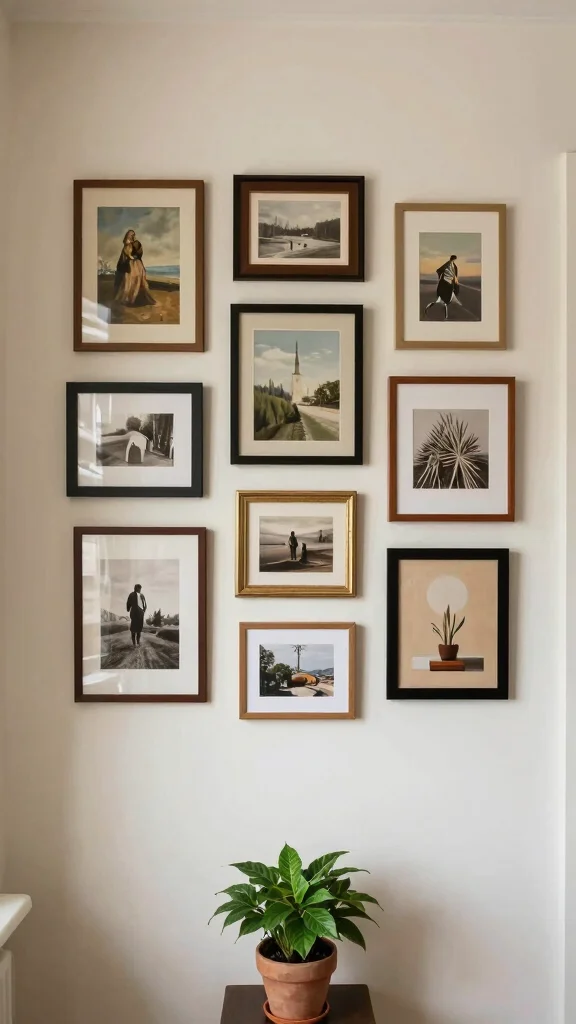
Arranging multiple pieces of art thoughtfully can create a striking sense of balance, especially in smaller spaces. A well-considered grouping can introduce depth and personality to your walls.
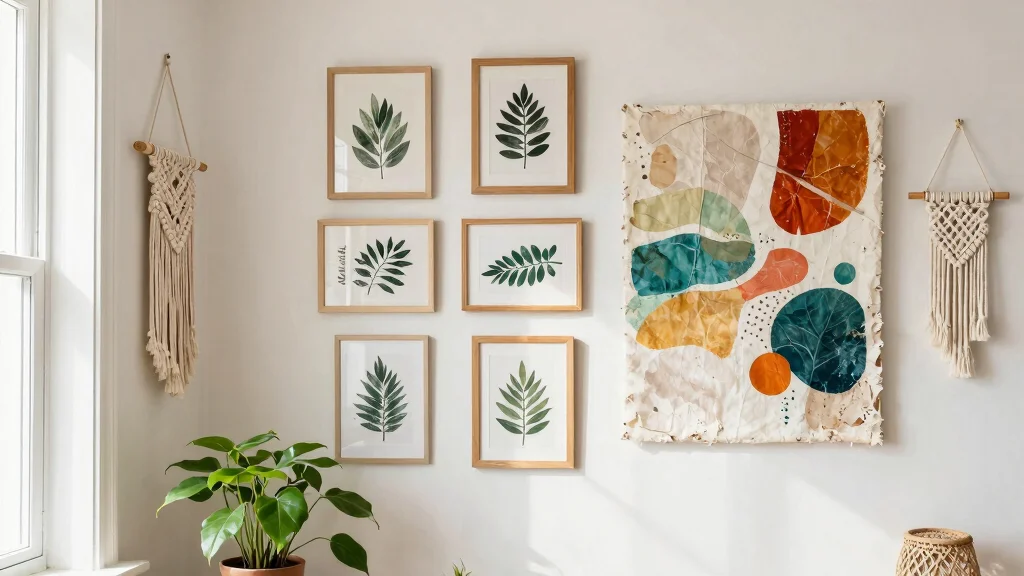
To achieve a visually appealing arrangement, opt for an odd number of pieces, such as three or five, and consider using a loose grid or organic pattern to create a sense of flow. Mixing sizes keeps the display engaging, but ensure that all pieces share a common theme or color palette for cohesion.
Follow these guidelines for effective groupings:
– Use an odd number of pieces for visual interest.
– Arrange art in a grid or organic pattern.
– Mix sizes while maintaining a cohesive theme.
This method not only maximizes your wall space but also allows you to express your personal style through curated collections.
Fun fact: Odd-numbered groupings—three or five pieces—are perceived as more balanced than even layouts, especially on small walls. Mix sizes for texture, but keep a shared color palette to maintain cohesion and boost the overall room flow.
Recommended Products

MINIMALIST MODERN DECOR: Framed Botanical Prints Set of 3,These plant wall art decor are the prevalent trends in modern interior design, can create a modern artistic atmosphere, make your room modern and style look, also its colors give a refreshing feel, adding color and life to the whole room

SUNSET SAILBOAT WALL ART: White sails drift across a calm blue sea beneath warm orange and gold light, creating a peaceful coastal focal point

Abstract mountain wall art: Layered black, white, gray, and gold-tone brushstrokes form a dramatic alpine landscape with modern gallery appeal.
5. Use the 2/3 Rule
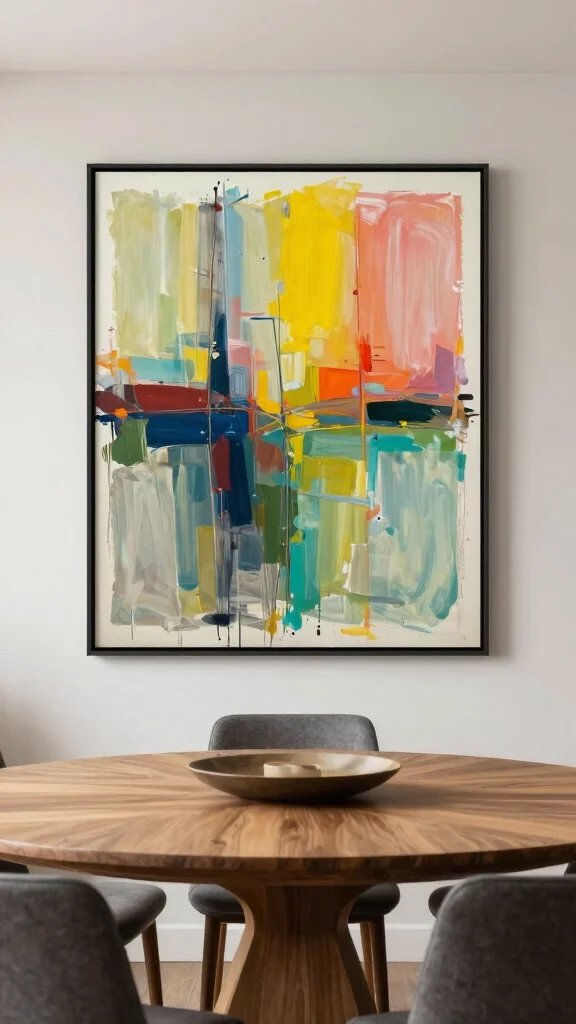
The 2/3 rule is a handy guideline for wall art placement, suggesting that art should occupy about two-thirds of the wall space above a piece of furniture. Following this principle promotes a harmonious relationship between the art and the furnishings below.
To apply the 2/3 rule effectively, select art that is approximately two-thirds the width of your furniture. Maintain a consistent distance—around 6-12 inches—between the art and the furniture for a cohesive look. This strategy unifies the elements in the room, making them feel connected rather than disparate.
Keep these tips in mind when using the 2/3 rule:
– Choose art two-thirds the width of the furniture.
– Maintain a distance of 6-12 inches between art and furniture.
– Ensure art feels connected to the surrounding decor.
By following the 2/3 rule, your arrangements will feel intentional and well-composed.
Recommended Products

Framed Neutral Landscape Wall Art: Large 30x60 inch horizontal framed artwork featuring a calm misty lake scene with soft tree silhouettes, creating a serene minimalist focal point for room wall decor

Framed Wall Art: This 40×60 inch big wall art is finished with a solid black wooden frame that adds clean definition and a polished edge around the piece. The framed design gives these wall pictures a refined presence and helps this brown wall art stand out as a striking piece of oversized wall art in your space

【Unique Two-in-One Design】As the first keycap that combines thermal sublimation and double shot craft in one, it not only retains the exquisite pattern, but also allows lights from the keyboard to shine through fonts.
Use the 2/3 Rule
Editor’s Choice


You might also like
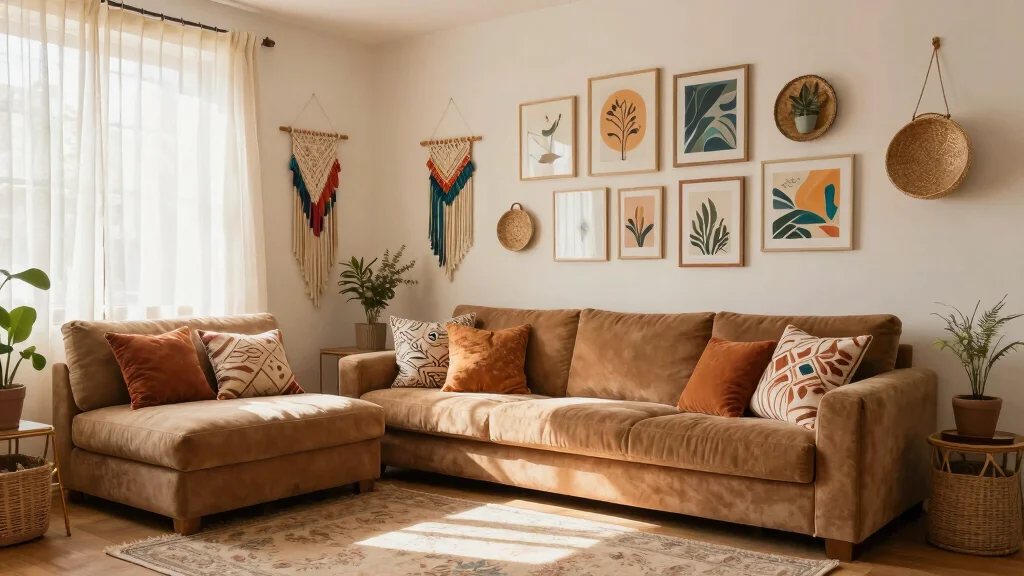
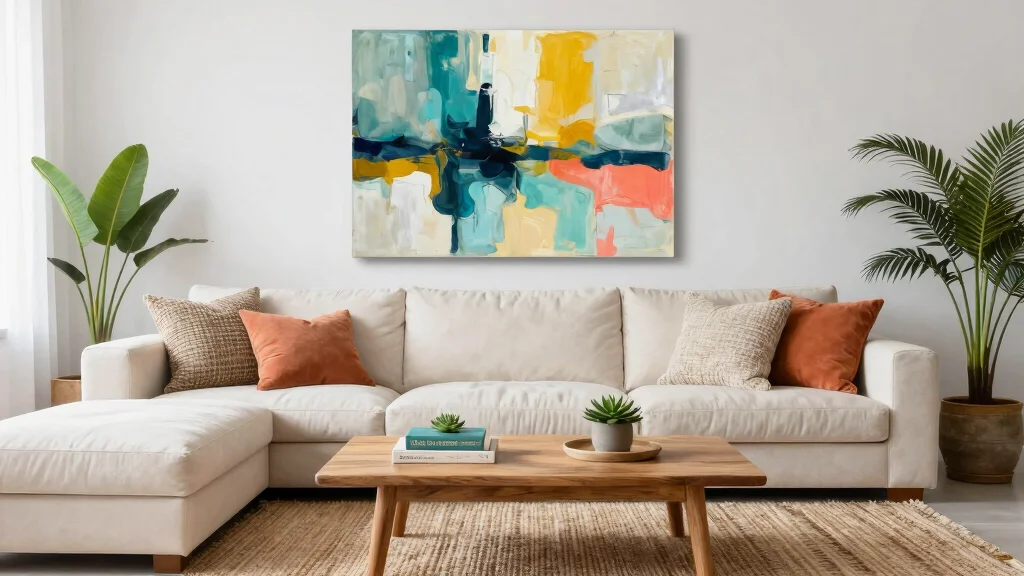
Dimensions & Size Guide
When it comes to displaying wall art, understanding dimensions and sizes is essential. The right measurements can impact the look and feel of your room. Let’s dive into some important aspects of wall art sizing.
Standard Sizes & Measurements:
Most wall art comes in standard sizes that make choosing the right piece easier. Common sizes include:
– 8” x 10” – Great for tabletop displays or smaller walls.
– 16” x 20” – Ideal for accent walls or clusters with other pieces.
– 24” x 36” – Works well as a focal point in larger spaces.
– 30” x 40” – Perfect for a statement piece in expansive areas.
For a proper fit, ensure your art piece doesn’t overwhelm your wall. An easy rule of thumb is to leave at least 3-6 inches of wall space around your artwork. This helps maintain visual balance and lets the art breathe.
Quick Reference Table:
Here’s a handy table to compare sizes and their ideal uses:
Size/Dimension – Best for: [use case], Minimum space needed: [measurement]
– 8” x 10” – Best for: Small table displays or gallery walls, Minimum space needed: 12” x 14”
– 16” x 20” – Best for: Accent walls or alongside smaller frames, Minimum space needed: 20” x 24”
– 24” x 36” – Best for: Focal points in living rooms or offices, Minimum space needed: 30” x 40”
– 30” x 40” – Best for: Statement pieces in larger rooms, Minimum space needed: 35” x 45”
Space Planning Tips:
Measuring your wall space correctly can save you from costly mistakes. Here are some practical tips for effective space planning:
1. Measure Your Wall: Use a tape measure to get the exact width and height of your wall. This ensures your chosen art fits well.
2. Consider Furniture Placement: When selecting art, think about furniture around your wall. Your art should complement pieces like sofas or tables, not clash with them.
3. Eye Level Display: Hang art at eye level for better viewing. Generally, the center of the artwork should be about 57 to 60 inches from the floor.
4. Group Art for Impact: If using multiple pieces, create an arrangement that feels cohesive. Lay them out on the floor first to find the best balance.
5. Avoid Overcrowding: Too many pieces can make a space feel cluttered. Leave some walls clear to give your art space to shine.
Pro Tip: The most crucial measurement to keep in mind is the space around the artwork. Leaving adequate wall space allows each piece to stand out, creating a more visually appealing environment. Avoid cramming art into tight spaces, as it can detract from the overall impact and elegance of your decor. Remember, simplicity can often lead to stunning results!
Recommended Products

Multi-size: 10pcs picture frames set come with ONE black frame 11x14in with mat for 8x10 photo, TWO wood grain brown frames 8x10in with mat for 5x7 photo, FOUR gray frames 5x7in, THERE black frames 4x6in. Come with HD plexiglass to protect your picture(Please tear off the protective film before use, there is a protective film on both sides of the plexiglass).
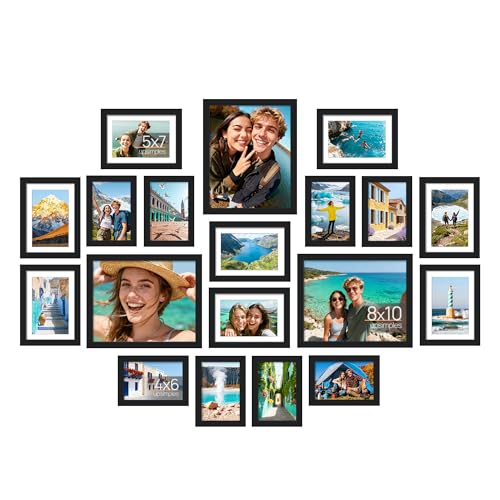
【Durable Material】Our collage frame is made of well made wood frame. Comes with a plastic cover, which provides a clear view of photos and is lighter than glass. No need to worry about hurt by glass broken.

【Durable Material】Our collage frame is made of well made wood frame. Comes with a plastic cover, which provides a clear view of photos and is lighter than glass. No need to worry about hurt by glass broken.
6. Consider the Room’s Function
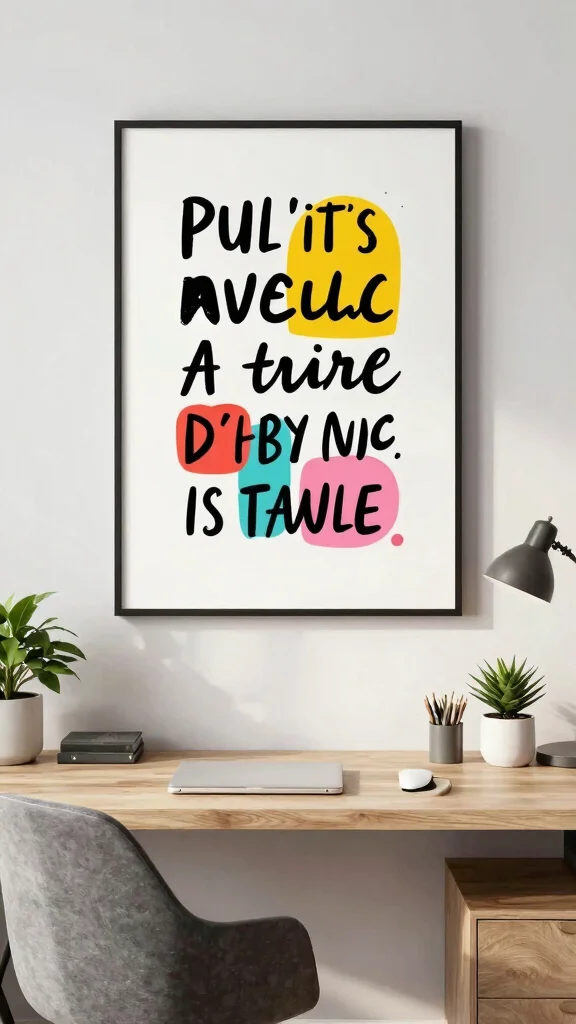
Each room in your home has a unique function, and your wall art should reflect that purpose. The type and size of art you choose can significantly influence the mood and atmosphere of the space.
In calming areas like bedrooms, select serene artworks in soft hues to enhance tranquility. For lively spaces such as living rooms or kitchens, vibrant and playful art can energize the environment. In professional settings like home offices, opt for inspiring pieces that motivate without being distracting.
Align your art choices with the room’s function by:
– Choosing calming art for bedrooms and relaxation spaces.
– Selecting vibrant pieces for high-energy areas.
– Incorporating motivational art in home office settings.
Letting the purpose of each room guide your art selections will create a more harmonious flow throughout your home.
Recommended Products

1. Crafted with high-quality, archival-grade canvas and eco-friendly inks. This vintage world map features stunning HD printing that ensures every country name, border, and detail is crystal clear and fade-resistant for years of enjoyment.

Size:24x36inch.Waterproof canvas,professionally printed with fade resistant,premium inks

INSPIRATIONAL CHRISTIAN ART: A faith-centered message reflects on the God who created oceans, mountains, and galaxies, then affirms the worth of each individual. Cream lettering, a crescent moon, stars, and a soft pink sky give the artwork a warm devotional tone suited to encouragement, gratitude, reflection, personal confidence, and hope each day.
Consider the Room’s Function
Editor’s Choice


7. Mix Styles for Eclectic Vibes
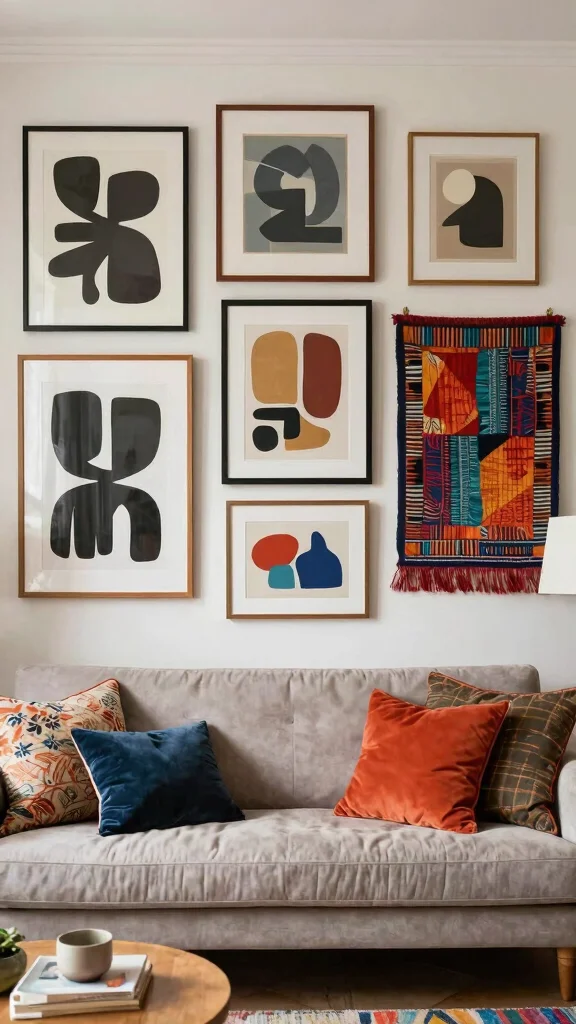
Embrace your creativity by mixing various art styles! Combining different textures, colors, and artistic techniques can create a captivating eclectic vibe that stands out in your decor.
To effectively blend styles, balance contrasting types of art by pairing a classic portrait with modern abstract pieces. Using a cohesive color palette ties everything together, while varying frame styles—like mixing metals and woods—can add richness and depth to your display.
Consider these tips when mixing styles:
– Balance different art types for an eclectic look.
– Use a common color palette to unify pieces.
– Vary frame styles for added depth and interest.
By stepping outside conventional rules, you can create a unique space that reflects your individuality.
Recommended Products

Inspirational Canvas Wall Decor: The inspirational sentences on canvas wall decorations can give you inspiration and motivation, and encourage you when you need them. Hanging it in the office or room can help you gain motivation, keep moving forward, and grow in long-term work.

Vintage Wall Art (Wall Decor Aesthetic): This set of unframed vintage artwork for walls combines elements such as French country, modern cityscape street scenes, Landscape, nature, etc. This retro farmhouse cottagecore decor set can add an elegant and antique artistic atmosphere to your room, making your home more unique and distinctive. This vintage home decor set will complement any interior design.

Dimensions: 12” x 12”
8. Utilize Vertical Space
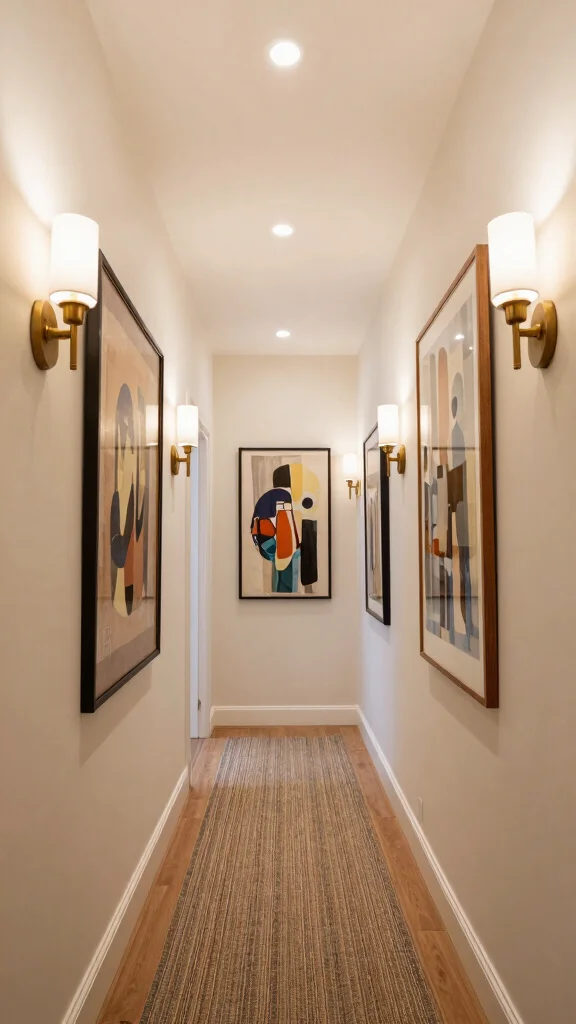
Maximizing vertical space with wall art can be especially beneficial in smaller rooms. Instead of sticking to traditional placements, think vertically to create stunning visual effects.
Consider hanging tall, narrow pieces or stacking smaller artworks vertically to draw the eye upward, giving the illusion of higher ceilings. Using shelves or ledges to display framed art adds depth, while floor-to-ceiling arrangements can make a bold statement in narrow hallways or entryways.
Utilize vertical space effectively by:
– Hanging tall pieces to create height illusions.
– Using shelves for layered displays.
– Arranging art from floor to ceiling for dramatic impact.
Thoughtfully using vertical space can turn your walls into a captivating gallery, elevating the overall feel of the room.
Recommended Products

Stunning Mountain Landscape:Enhance your space with this captivating canvas art featuring misty mountains and a serene forest. The tranquil design captures the beauty of nature, making it a perfect addition to any room.

Funny How Lucky Are We Wall Decor: This How Lucky Are We wall art features a vintage striped postcard design with bold retro lettering, presenting a simple yet meaningful inspirational quote in a trendy preppy layout. The striped background creates a whimsical and slightly eclectic visual rhythm, giving the quote a nostalgic postcard feeling. The overall look feels cute, light, and expressive without being loud, making it easy to blend into everyday living spaces

BLUE SAILBOAT WALL ART: White sailboats cross a calm blue sea beneath a pale sky, creating a bright and peaceful nautical focal point
You Might Also Like
9. Be Mindful of Color and Theme
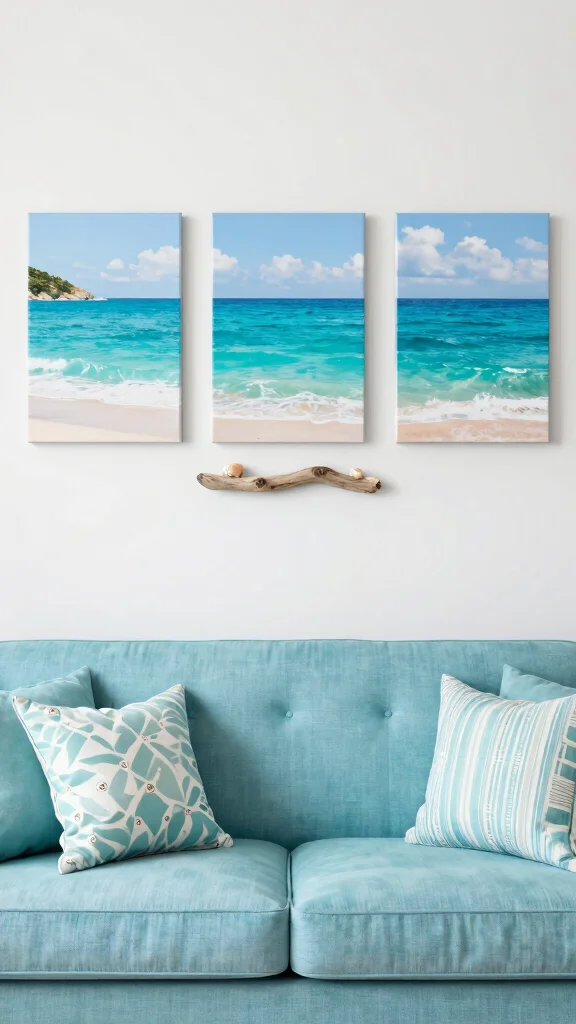
The colors and themes of your wall art significantly influence the ambiance of a room. Choosing art that aligns with the room’s color scheme or theme enhances cohesion and overall style.
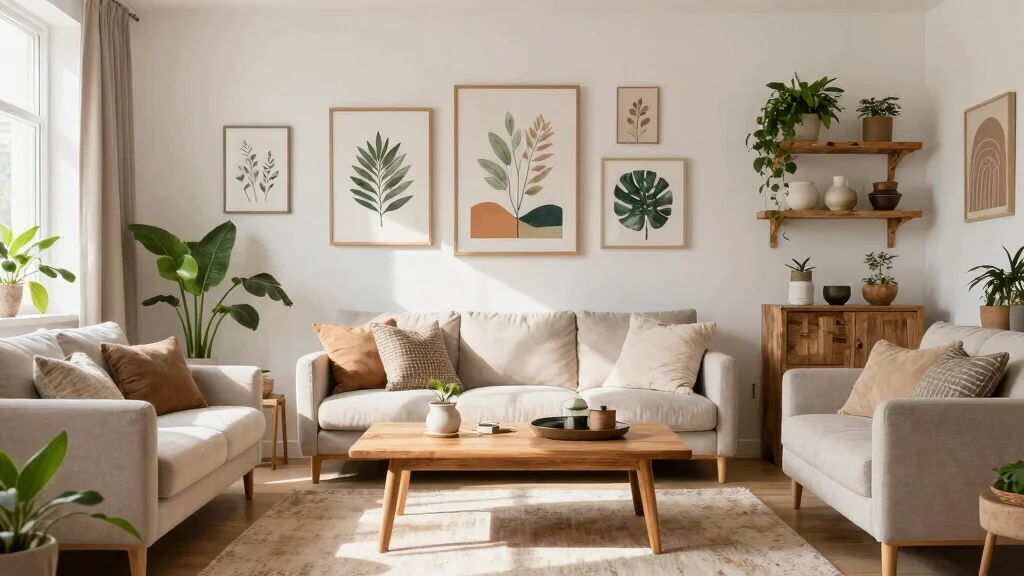
Use color strategically to set the mood; warm tones can energize, while cool hues promote calmness. Match your art to the room’s theme—coastal-themed spaces shine with ocean-inspired pieces, whereas rustic areas benefit from botanical prints. Don’t shy away from bold contrasts; a striking piece in a contrasting color can serve as a stunning focal point.
Keep these aspects in mind:
– Use colors to enhance the desired mood of the space.
– Match art to the overall theme of the room.
– Embrace bold contrasts for dynamic focal points.
Thoughtful choices in color and theme will ensure your wall art complements your decor beautifully.
Fun fact: Color harmony in home décor boosts perceived space by up to 25%—even small walls feel bigger when art matches your palette. A quick wall art size guide helps you pick pieces that balance color, scale, and theme, crafting cohesion you’ll notice daily.
10. Changing it Up – Seasonal Art Swaps
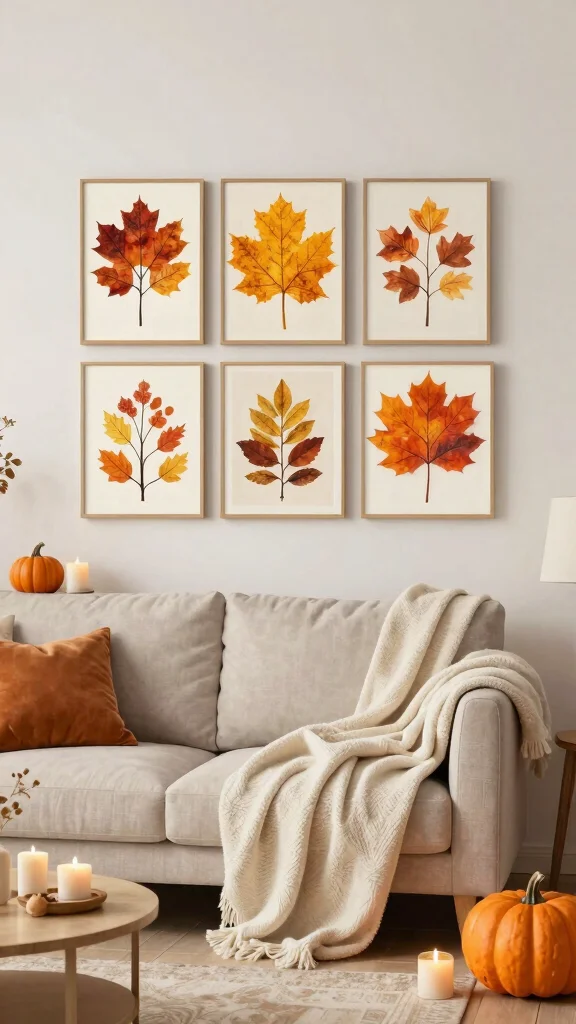
Embracing the joy of seasonal art swaps can keep your space feeling fresh and inviting. Changing your wall art throughout the year allows you to enjoy new aesthetics without the need for a complete redesign.
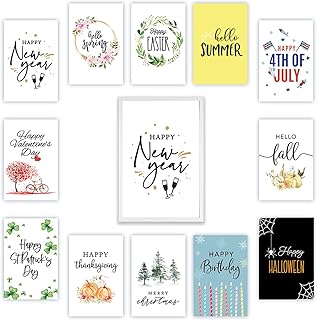
Consider storing seasonal or holiday-themed pieces and rotating them as the year progresses. Create a small gallery that can be easily updated, and use temporary adhesive hooks for hassle-free swaps that won’t damage your walls. This practice keeps your decor lively and allows for ongoing creative expression.
Try these approaches for seasonal art swaps:
– Store seasonal pieces for easy rotation.
– Create an easily updatable gallery.
– Use adhesive hooks for simple, damage-free changes.
This practice not only refreshes your decor but also showcases your creativity throughout the year.
Fun fact: rotating seasonal art four times a year can make a room feel 20% fresher, without a full redesign. Keep a small gallery on lightweight hooks—it’s the practical wall art size guide in action, simple swaps, big impact.
Changing it Up – Seasonal Art Swaps
Editor’s Choice



Conclusion
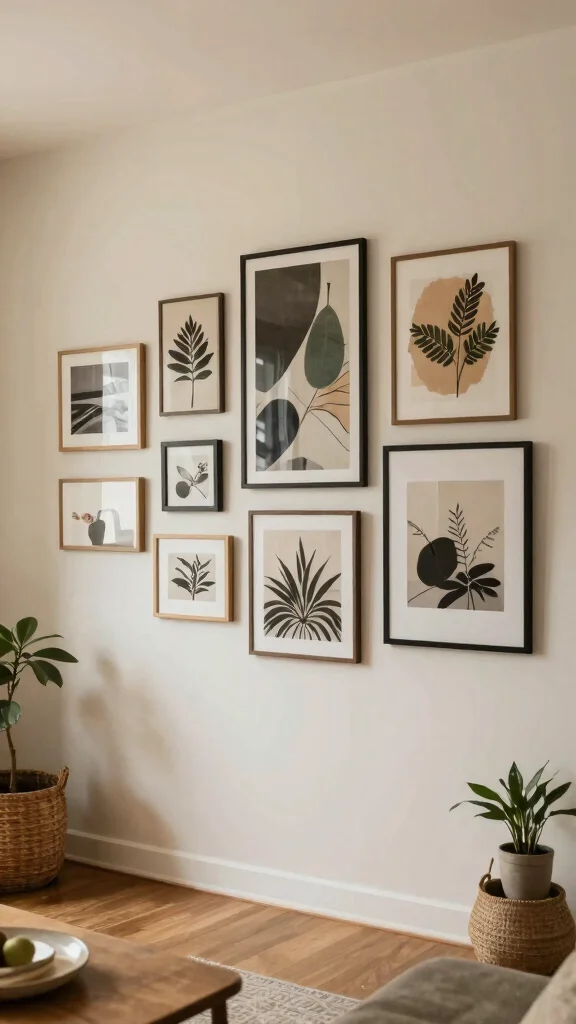
Mastering wall art size rules can dramatically enhance your home decor, especially in small spaces. By considering proportions, styles, and placements, you can create an inviting atmosphere that reflects your personality.
Don’t hesitate to experiment with different techniques and ideas – your walls deserve to be adorned beautifully!
Note: We aim to provide accurate product links, but some may occasionally expire or become unavailable. If this happens, please search directly on Amazon for the product or a suitable alternative.
This post contains Amazon affiliate links, meaning we may earn a small commission if you purchase through our links, at no extra cost to you.
Frequently Asked Questions
What is a practical wall art size guide for small spaces?
Think of a wall art size guide as your map for scale. Start with the wall and furniture measurements, then pick sizes that keep the space balanced. Here are practical steps:
– For a focal wall, go large: around 24×36, 30×40, or a 40×60 statement piece.
– For above furniture, aim for art that is about 60-75% of the sofa width, or use two pieces that together span roughly the same width.
– Create layout templates on paper (or on the floor) before hanging to preview proportions. This helps with small-space wall art solutions.
– Consider frame thickness and color to avoid crowding.
In short, this wall art size guide and wall art proportions will set the baseline for your space and support room design tips.
How do wall art proportions impact a room’s feel and balance?
Proportions are the invisible sculptor of a room. A piece that’s too small will look lost; a wall with several tiny frames can feel busy. To get the feel right:
– Choose scale that matches wall real estate and furniture.
– Use a grid for a unified look or mix sizes in a salon hang for dynamic energy.
– For a sofa, a single large piece about 2/3 the width of the sofa or a grid of two to three pieces with a total width near the sofa works well.
– Consider orientation: tall vertical pieces draw the eye upward; wide horizontals expand the room.
This is a practical guide to wall art proportions and room design tips.
Where should I place wall art for maximum impact in a small room?
Placement can make or break a small space. Here are actionable ideas:
– Hang at eye level, about 57-60 inches from the floor to the center of the art.
– Above sofas or consoles, leave 2-6 inches of space; the artwork should feel connected to the furniture, not floating.
– For tall walls, use vertical art to draw the eye up, or create a gallery with a grid or salon hang.
– Use consistent matting and framing to keep the display cohesive.
These techniques align with art placement ideas and home styling techniques for a polished look.
What interior decorating rules should I follow when hanging wall art?
Follow these classic interior decorating rules to keep things balanced:
– Eye level baseline: center art around 57-60 inches from the floor.
– Size-by-space rule: big walls deserve bigger pieces; small walls work with multiples or a single compact piece.
– Spacing: allow 2-5 inches between pieces in a gallery to maintain rhythm.
– Frame consistency: use similar frames or a cohesive color palette to unify the display.
– Grid vs salon: choose a layout that fits the wall and your style.
Stick to these interior decorating rules to ensure your wall art size guide is applied with confidence.
How can I create a cohesive wall art display in a small space using different sizes?
Start with a unifying thread: pick a color palette or finish that ties every piece together. Then:
– Start with a large anchor piece and add smaller pieces around it to maintain balance.
– Use a grid for a formal, tight look or a salon-style layout for a more dynamic vibe.
– Test layouts on the floor or with paper templates on the wall before committing.
– Keep spacing around 2-3 inches for a cohesive feel that still reads as intentional.
This approach blends home styling techniques with art placement ideas to help you craft a gallery that feels deliberate in a small space.
Related Topics
home decor
wall art size guide
small spaces
art placement ideas
room design tips
interior decorating rules
art proportions
DIY wall art
beginner friendly
stylish solutions
minimalist design
budget friendly